Wednesday, November 03, 2010

Lithium Drive: Panasonic to acquire stake in Tesla Motors - Nikkei tsla, tnr.v, rm.v, lmr.v, alk.ax, tsla, sqm, fmc, roc, lit, li.v, wlc.v, clq.v, res.v, ree, avl.to, nsany, f, gm, rno.pa, dai, byddf, hev, aone, vlnc


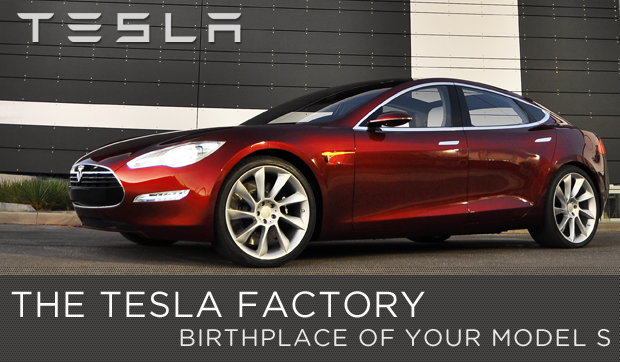
Tesla has attracted another interesting shareholder - Panasonic this time. Daimler has invested in Tesla first, then Toyota took a significant stake in the company. Now Panasonic is coming on board. Model S will be the main driver for the company, Toyota SUV RAV 4 Electric will be presented at Los Angeles Auto Show 2010 and Elon Musk has discussed recently Tesla Model X SUV.


"What will it take to realise that we are running out of cheap oil? Another crisis?
  We are talking here about the powerful mega trend Inflation multiplied by Peak Oil situation - we have to move and readjust our society. Our Energy diet is not sustainable any more. We are lucky in a sense that there is technology available to us to survive the Oil Shock if we will all move fast - Electric Cars. It is our Next Big Thing and at the heart of this disruptive technology lie strategic commodities: REE and Lithium."


Reuters:

Panasonic to acquire stake in Tesla Motors - Nikkei


Nov 4 (Reuters) - Japanese electronics maker Panasonic Corp (6752.T) will acquire a small stake in Tesla Motors Inc (TSLA.O) and jointly develop electric-vehicle batteries with the U.S. electric vehicle (EV) maker, the Nikkei business daily reported.

The company, which had signed an agreement in January to supply lithium ion batteries for Tesla's electric cars, aims to work with Tesla to develop battery systems for next-generation EVs, the daily said.
Panasonic will likely announce the capital tie-up with Tesla as early as Thursday, the daily reported.
The Japanese company's share purchase will likely be smaller than Toyota Motor Corp's (7203.T) $50 million investment in Tesla, resulting in a several percent interest in the U.S. firm, the paper said.
Panasonic and Tesla will likely work together to develop technologies for utilizing lithium ion battery systems efficiently, since Tesla's electric cars are powered by several thousand cylindrical-shaped lithium ion batteries, the Nikkei reported. (Reporting by Soham Chatterjee in Bangalore; Editing by Maju Samuel)"

Ticker Symbol: U:TSLA

PALO ALTO, Calif. -- (Business Wire) --
Panasonic Corporation and Tesla Motors (NASDAQ:TSLA) today announced that Panasonic has invested $30 million in Tesla. The investment was made through the purchase of Tesla common stock in a private placement at a price of $21.15 per share. The investment builds upon a multi-year collaboration of the two companies to accelerate the market expansion of the electric vehicle.
Naoto Noguchi, President of Energy Company, a unit of Panasonic, and Tesla CEO Elon Musk. (Photo: Bu ...
Naoto Noguchi, President of Energy Company, a unit of Panasonic, and Tesla CEO Elon Musk. (Photo: Business Wire)
Panasonic is the world’s leading battery cell manufacturer and a diverse supplier to the global automotive industry. Tesla currently uses Panasonic battery cells in its advanced battery packs and has collaborated with Panasonic on the development of next generation battery cells designed specifically for electric vehicles. While Tesla’s current battery strategy incorporates proprietary packaging using cells from multiple battery suppliers, Tesla has selected Panasonic as its preferred lithium-ion battery cell supplier for its battery packs.
“Panasonic aims to be the number one Green Innovation Company in the Electronics Industry by 2018, the 100th anniversary of our founding,” said Naoto Noguchi, President of Energy Company, a unit of Panasonic responsible for the battery cell business. “Our sophisticated lithium-ion battery cell technology, combined with Tesla’s market-leading EV powertrain technology, helps us fulfill this goal by promoting sustainable mobility. We are proud to strengthen our relationship with Tesla Motors.”
“It is an honor and a powerful endorsement of our technology that Panasonic, the world’s leading battery cell manufacturer, would choose to invest in and partner with Tesla,” said Tesla CEO and cofounder Elon Musk. “Panasonic offers the highest energy-density cells and industry-leading performance with cutting edge Nickel-type cathode technology. We believe our partnership with them will enable us to further improve our battery pack while reducing cost.”
In addition to producing its own vehicles, Tesla also builds electric powertrains, including battery packs, for other automobile manufacturers. Panasonic and Tesla intend to explore joint marketing and sales of battery packs that would be designed and assembled by Tesla using Panasonic’s battery cells.
About Panasonic
Panasonic Corporation is a worldwide leader in the development and manufacture of electronic products for a wide range of consumer, business, and industrial needs. Based in Osaka, Japan, the company recorded consolidated net sales of 7.42 trillion yen (US$79.4 billion) for the year ended March 31, 2010. The company's shares are listed on the Tokyo, Osaka, Nagoya and New York (NYSE:PC) stock exchanges. For more information on the company and the Panasonic brand, visit the company's website at http://panasonic.net/.
About Tesla Motors
Tesla's goal is to produce a full range of electric cars, from premium sports cars to mass market vehicles – relentlessly driving down the cost of electric vehicles. It is currently the only automaker in the U.S. that builds and sells highway-capable EVs in serial production. Palo Alto, Calif.-based Tesla designs and manufactures EVs and EV powertrain components. Tesla has delivered more than 1,300 Roadsters to customers in North America, Europe and Asia. The Tesla Roadster accelerates faster than most sports cars yet produces no emissions. Visit Tesla online at www.teslamotors.com.
Safe Harbor Disclosure
Certain statements in this press release, including statements relating to Tesla's expectations regarding its partnership with Panasonic, including anticipated battery pack improvements and cost reductions, and anticipated joint marketing and sales of battery pack by the parties are "forward-looking statements" within the meaning of the Private Securities Litigation Reform Act of 1995 that are subject to risks, uncertainties and other factors. Without limitation, among the factors that could cause actual results to differ materially from those indicated by such forward-looking statements are: the parties' ability to jointly improve battery performance and cost, successfully conduct joint marketing and sales of battery packs, and other risks detailed in Tesla's quarterly report on Form 10-Q for the quarter ended June 30, 2010 and other publicly available filings with the Securities and Exchange Commission. All forward-looking statements reflect Tesla's expectations only as of the date of this release and should not be relied upon as reflecting Tesla's views, expectations or beliefs at any date subsequent to the date of this release. Tesla disclaims any obligation to update information contained in these forward-looking statements whether as a result of new information, future events, or otherwise.
CONTACT
Panasonic Corporation
Overseas Public Relations Office
Tel: 03-6403-3040
Fax: 03-3436-6766
or
Panasonic News Bureau
Tel: 03-3542-6205
Fax: 03-3542-9018
or
Panasonic U.S. contact:
Jim Reilly, 201-392-6067
or
Tesla Motors
press@teslamotors.com
United States contact:
Khobi Brooklyn, 650-681-5452
Japan Contact:
Atsuko Doi, 090-1844-7922"


Related articles
Enhanced by Zemanta

Lithium Drive: Chevrolet Volt 2011 gm, tnr.v, rm.v, lmr.v, alk.ax, tsla, sqm, fmc, roc, lit, li.v, wlc.v, clq.v, res.v, ree, avl.to, nsany, f, gm, rno.pa, dai, byddf, hev, aone, vlnc


"
When we would like to understand the potential scenarios for adoption rate of Electric Cars, make a forecast for demand for EVs, lithium batteries and Lithium and REE as strategic commodities - we better go where the future is already happening. This time it is happening in Japan and not only in a sense of the latest technologies involved in EVs - like electric power-trains and lithium batteries - but more in a sense of the living in the world without cheap oil.


Japan is importing all of its oil and we will be much better off following people who are living already in the coming reality to the Western world and what they are actually doing in order to sustain mobility. China is betting on Electric Cars as the next industrial drive as well, both countries are searching the globe for the new sources of secure supply of
 Lithium and REE."
Enhanced by Zemanta

Tuesday, November 02, 2010

Lithium Drive: Nissan LEAF production (Video News Release) nsany, tnr.v, rm.v, lmr.v, alk.ax, tsla, sqm, fmc, roc, lit, li.v, wlc.v, clq.v, res.v, ree, avl.to, nsany, f, gm, rno.pa, dai, byddf, hev, aone, vlnc


They are coming, they are coming...now! First mass produced EVs are ready to hit the road.


"When we would like to understand the potential scenarios for adoption rate of Electric Cars, make a forecast for demand for EVs, lithium batteries and Lithium and REE as strategic commodities - we better go where the future is already happening. This time it is happening in Japan and not only in a sense of the latest technologies involved in EVs - like electric power-trains and lithium batteries - but more in a sense of the living in the world without cheap oil. 

Japan is importing all of its oil and we will be much better off following people who are living already in the coming reality to the Western world and what they are actually doing in order to sustain mobility. China is betting on Electric Cars as the next industrial drive as well, both countries are searching the globe for the new sources of secure supply of Lithium and REE."
Enhanced by Zemanta

Lithium Drive: Renault Fluence Electric Vehicle Test Drive rno.pa tnr.v, rm.v, lmr.v, alk.ax, tsla, sqm, fmc, roc, lit, li.v, wlc.v, clq.v, res.v, ree, avl.to, nsany, f, gm, rno.pa, dai, byddf, hev, aone, vlnc


"Today everybody is exited about REE, tomorrow Peak Oil time will come and Lithium will make the headlines again. During excitement stage it is easy to make the wrong decision and chase the mini bubbles only to see them to pop - do not mistake the mega trends, Next Big Thing and parabolic rises. There is time to buy and time to sell. REE gives us a very good example - what can happen with a very small sector, when the all world depends on it. Peak Oil realisation will be next. With GM Volt and Nissan Leaf on the streets you will see the future - The Future is Electric."
Enhanced by Zemanta

Sanyo eyes tenfold increase in lithium ion battery capacity tnr.v, rm.v, lmr.v, alk.ax, tsla, sqm, fmc, roc, lit, li.v, wlc.v, clq.v, res.v, ree, avl.to, nsany, f, gm, rno.pa, dai, byddf, hev, aone, vlnc


When we would like to understand the potential scenarios for adoption rate of Electric Cars, make a forecast for demand for EVs, lithium batteries and Lithium and REE as strategic commodities - we better go where the future is already happening. This time it is happening in Japan and not only in a sense of the latest technologies involved in EVs - like electric power-trains and lithium batteries - but more in a sense of the living in the world without cheap oil.

"Today everybody is exited about REE, tomorrow Peak Oil time will come and Lithium will make the headlines again. During excitement stage it is easy to make the wrong decision and chase the mini bubbles only to see them to pop - do not mistake the mega trends, Next Big Thing and parabolic rises. There is time to buy and time to sell. REE gives us a very good example - what can happen with a very small sector, when the all world depends on it. Peak Oil realisation will be next. With GM Volt and Nissan Leaf on the streets you will see the future - The Future is Electric."

Japan is importing all of its oil and we will be much better off following people who are living already in the coming reality to the Western world and what they are actually doing in order to sustain mobility. China is betting on Electric Cars as the next industrial drive as well, both countries are searching the globe for the new sources of secure supply of Lithium and REE.


"China is taking Electric Cars very seriously. Just over the weekend we were listening to Jim Puplava with Puru Saxena discussing Peak Oil situation and how China is moving fast to mitigate the situation. Thousands of miles of high speed railway system are built now, connecting all major cities in China with latest trains as fast as 400km/h. There is a plan now to connect China by high speed railway system with Singapore - China is facilitating the move from the airlines and to the high speed trains, which could be powered by electricity. 

Electric car is the solution for the ground transportation and with billions of dollars invested in electric cars now we have the major catalyst in the making."


CarTechBlog:


Sanyo eyes tenfold increase in lithium ion battery capacity

KASAI, Japan--Sanyo Electric, which makes hybrid vehicle batteries for Ford and Honda, targets a tenfold increase in lithium ion battery production capacity in five years.


The company also aims to slash manufacturing costs by half in that time in its bid to become a leader in next-generation power packs for green cars, President Seiichiro Sano said.
Speaking last week at the opening of Sanyo's battery factory in this western Japanese city, Sano predicted hybrid and electric vehicles will account for 10 to 15 percent of all new-car sales in 2020. Sanyo wants at least 30 percent of that global market, he said.
Limited lithium ion battery production began at Kasai in July, with initial capacity of 1 million cells a month. Sanyo aims to raise that capacity to 10 million cells by 2015.
Sanyo did not say how many vehicles 10 million cells could supply. But it could be enough for 125,000 hybrid vehicles a month, judging by the output of its Tokushima factory.
The Tokushima plant, which opened last year for trial production, was Sanyo's first facility making lithium ion batteries for cars. It has enough capacity for 100,000 cells a month, or enough for 15,000 hybrid vehicles a year. There are roughly 80 cells per battery pack.
Sanyo has agreements to supply Volkswagen AG, Audi AG, and Suzuki Motor with lithium ion batteries. The Tokushima plant will supply lithium ion batteries for an Audi hybrid scheduled to go on sale next year, officials said. The company also is expected to supply lithium ion batteries to Toyota.
Sanyo already is supplying hybrid vehicles by Ford Motor and Honda Motor with older-generation nickel-metal hydride batteries. Sanyo has also agreed to cooperate on development of nickel-metal hydride batteries with Volkswagen, Audi, and France's PSA Peugeot Citroen.
Lithium ion batteries are seen as key to making more practical hybrid and electric vehicles because they are lighter and more powerful than the nickel-metal hydride batteries currently used.
Many Japanese carmakers have tried to bring battery making in-house by forming joint ventures with electronics companies. Nissan, Toyota, Honda, and Mitsubishi have followed this model, teaming with such companies as NEC, Panasonic,and GS Yuasa.
But Sanyo is one of Japan's top independent hopefuls, choosing to play the field. Kasai's five-floor lithium ion battery building contains research and development facilities and two manufacturing lines. It will be the focal point of Sanyo's next-generation battery business.
The plant is doing test runs and will deliver its first products for use in 2012, said Hiroshi Ikeuchi, vice president in charge of Sanyo's hybrid electric vehicle division. With Kasai up and running, lithium ion batteries account for 30 percent of Sanyo's battery capacity and nickel-metal hydride the rest, Ikeuchi said. But that is expected to flip-flop by 2020, with lithium ion battery output claiming 80 to 90 percent of total output."

Enhanced by Zemanta

Monday, November 01, 2010

Lithium Drive: Liberty Electric Cars TV interview - announcing £500,000,000 order from China tnr.v, rm.v, lmr.v, alk.ax, tsla, sqm, fmc, roc, lit, li.v, wlc.v, clq.v, res.v, ree, avl.to, nsany, f, gm, rno.pa, dai, byddf, hev, aone, vlnc


"Today everybody is exited about REE, tomorrow Peak Oil time will come and Lithium will make the headlines again. During excitement stage it is easy to make the wrong decision and chase the mini bubbles only to see them to pop - do not mistake the mega trends, Next Big Thing and parabolic rises. There is time to buy and time to sell. REE gives us a very good example - what can happen with a very small sector, when the all world depends on it. Peak Oil realisation will be next. With GM Volt and Nissan Leaf on the streets you will see the future - The Future is Electric."

China is taking Electric Cars very seriously. Just over the weekend we were listening to Jim Puplava with Puru Saxena discussing Peak Oil situation and how China is moving fast to mitigate the situation. Thousands of miles of high speed railway system are built now, connecting all major cities in China with latest trains as fast as 400km/h. There is a plan now to connect China by high speed railway system with Singapore - China is facilitating the move from the airlines and to the high speed trains, which could be powered by electricity.

Electric car is the solution for the ground transportation and with billions of dollars invested in electric cars now we have the major catalyst in the making. Now they are ordering electric power-trains for Electric Buses from UK. Everybody is fighting for the Chinese market and China welcomes the West...with the proper technology. Industry insiders are talking straight - in any case our technology will be subject of a copycat in another couple of years - we will be better off if we can get at least part of the profits.

BYD - Chinese company backed by Warren Buffett - has literally thousands of engineers working on battery systems and electric power-trains. If this nation can produce everything from iPhone to latest DWDM optical switches, it will take only time when Chinese engineers will come up with their own products and they can actually lead in electric cars technology.

Last week news about DBM Energy with its wonder Lithium Metal Polymer battery gave us some hope that not everything is lost in the West, but we will have to see who will buy and implement that technology in the end. If the claims of that company will be confirmed mass transportation system could be easily converted into electric one based on electric buses. It all means additional demand for lithium and REE.


News From Liberty Electric Cars

Liberty Electric Cars wins Chinese Government contract
27th September 2010
Liberty Electric Cars has entered into an agreement with a Chinese Government agency to provide the technology for a pure electric bus platform to be built in China. The programme sees the building of a minimum of 10,000 buses over a 5 year period with the possibility for this to rise to 30,000. Each one of the buses to be built in China will use a unique “e-Kit” designed, assembled and shipped from the North East of England. A dinner in celebration of the partnership was hosted by Sir John Hall at Wynyard Hall in the North East, where the management team of Liberty and the Chinese delegation were told by Sir John of his support and enthusiasm for the project and the prestige it would bring to the area.

And we have again Lithium Polymer battery packs here.

"E-Range

The Liberty Electric E-Range is the world’s first luxury high-performance, Pure Electric, non-polluting 4x4 that will be readily available to fill a significant gap in the family-size and luxury vehicle market – and it will be available in the UK before any other country by the end of this year.
The Liberty Electric E-Range accelerates from zero to 60 in circa 7 seconds, reaches a top speed of 100mph, and has a distance capacity of 200 miles on one single charge – this is the upper end of the drive range that any current EV is able to achieve. In short, the vehicle enables the consumer to enjoy the power, prestige and luxury of the iconic Range Rover without the cost to the environment.
The proprietary and patented technology works by engineering electric propulsion into existing vehicle platforms, replacing the internal combustion engine with electrical power via four on-board motors (one per wheel). Liberty’s electric technology incorporates a state of the art energy storage system that is easily rechargeable from a standard electricity supply or with a fast charger. This provides performance and range ability that has never before been achieved in the 4x4 sector and allows for significantly lower running costs when compared to normal cars – for example those spending an average of £50 a week on petrol would see their costs reduce to just £10 a week.
The new technology can also allow for wireless charging – another world-first – where the car is simply parked over an induction plate and charges automatically without the need for plugs or power leads.

With the E-Range, no maintenance is needed

With the change to Pure Electric, the motors and batteries need no maintenance.
We are offering distance intervention for software changes and updates, so we should be able to assess and fix minor things over the internet. The brakes and suspension parts will need maintenance as per a usual car. However, there is no exhaust, no service on the engine, less wear on the brakes, no fuel tank or lines to get blocked or wear out, no air filters, oil filters or old oil to dispose of – just all round much cleaner!
“The E-Range is the first large, luxury vehicle that is 100 per cent zero emission yet performs as well – and in some cases even better – than any combustion-engine equivalent available on the market today” says Barry Shrier, CEO of Liberty Electric Cars.


Easy Charging
Liberty’s unique patented high density Lithium Polymer Battery Pack features a quick charge option from a suitably powerful charging system mounted off board.
On-board trickle charger provides charging from any suitable point including standard 13 amp supply. The battery can be charged in one to three hours from a fast charger or using an optional induction system.
Liberty technology can also allow for wireless charging — another world-first — where the car is simply parked over an induction plate and charges automatically without the need for plugs or power leads."


Enhanced by Zemanta